East Chicago, Indiana:: Building Human Infrastructure
When cities seek to revitalize themselves, the conversation usually begins with physical infrastructure.
New roads.
New buildings.
New employers.
New investment.
These are important ingredients in any economic development strategy. Yet they often overlook a more fundamental question::
Who will lead the future that these investments are intended to create?
For generations, communities across America—particularly in former industrial centers—have invested heavily in rebuilding places while investing far less intentionally in developing the people who will ultimately shape those places.
GREEN::HOUSE believed there was another path.
Working with the Foundations of East Chicago, Indiana, we developed and piloted the GreenHouse Fellowship, an initiative designed around a simple but transformative idea:
What if communities invested in future civic leaders with the same seriousness they invest in physical infrastructure?
East Chicago was an ideal proving ground.
Like many Rust Belt cities, it possessed extraordinary assets, rich history and resilient residents. It also faced many of the challenges confronting post-industrial communities across America, including economic transition, population loss and declining civic engagement.
Rather than focusing on buildings, GREEN::HOUSE focused on people.
Specifically, young people.
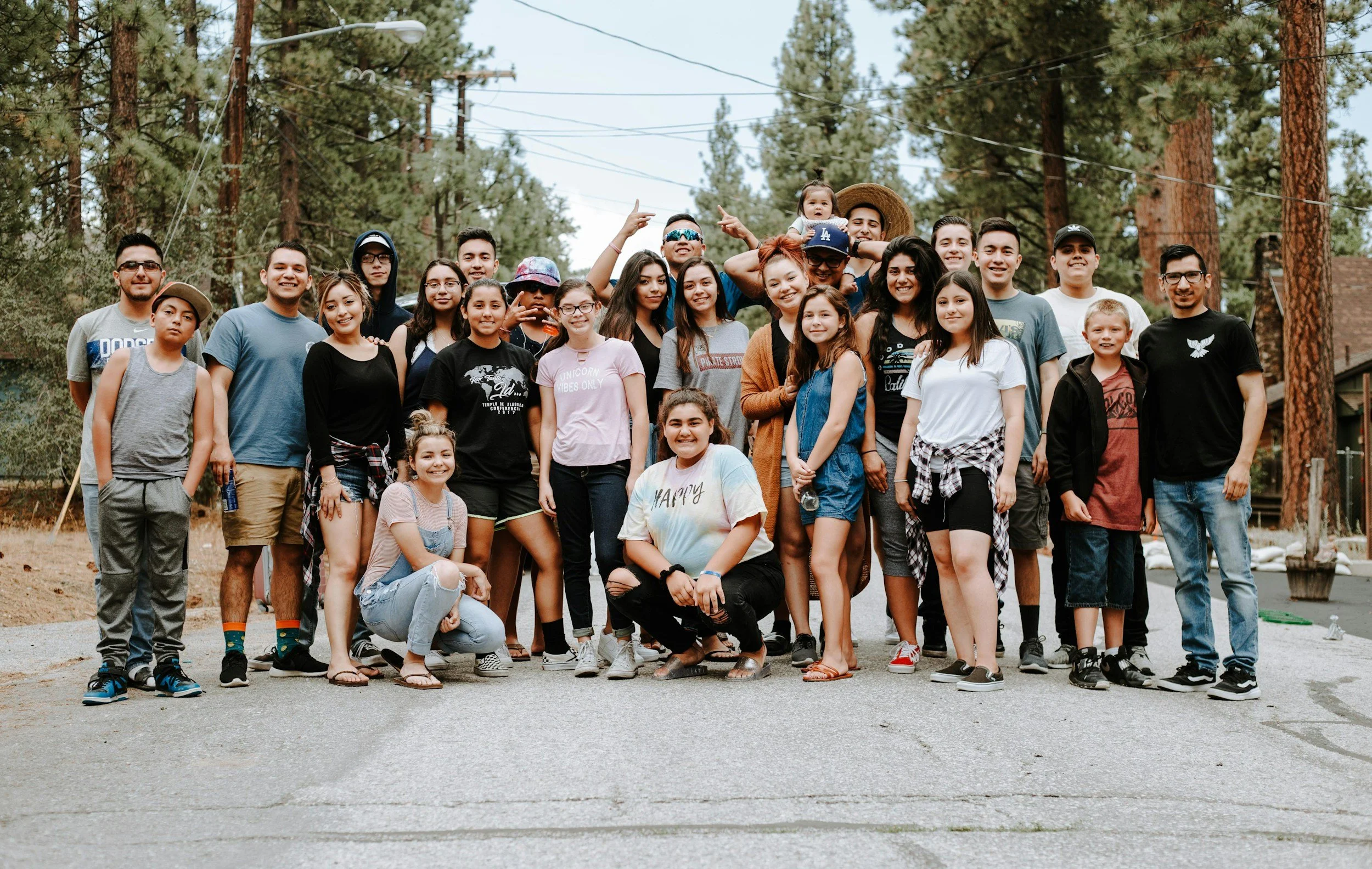
Partnering with local educators and community leaders, we identified a cohort of recent high school graduates who were consistently described by their peers and teachers as influential, trusted and capable of bringing others together. These were not necessarily students with the highest grades or the strongest résumés. They were emerging community leaders whose influence was already shaping the social fabric of their city.
Over the course of a year, fellows participated in intensive training focused on community organizing, civic innovation, leadership development and hands-on service. The goal was not simply to prepare participants for future careers. It was to help them understand their own capacity to shape the future of their community.
At the heart of the fellowship was a powerful question::
If you were responsible for improving your city, what would you do first?
Participants were challenged to move beyond critique and into creation. Using community-organizing methodologies and innovation frameworks, they identified local opportunities, engaged stakeholders and designed initiatives aimed at creating meaningful community impact.
The fellowship represented what GREEN::HOUSE described in GOOD Magazine as a "third path" for young adults.
Traditionally, graduates are encouraged to pursue one of two options: continue their education or enter the workforce. The GreenHouse Fellowship proposed a third possibility—a structured opportunity to spend a year investing in the place that helped shape them.
As our lead designer wrote::
"When young people turn 18 in this country, they're told to head to college and build a life for themselves. But many of them would be well-served by an option that lets them first spend some time building something in their own communities."
The fellowship was ultimately about more than leadership development.
It was about redefining infrastructure itself.
Roads connect places.
Human infrastructure connects people.
And while buildings can revitalize neighborhoods, it is leaders, relationships and civic capacity that sustain communities over time.
For GREEN::HOUSE, the East Chicago Fellowship demonstrated that one of the most important investments a community can make is not in what it builds, but in who it develops.
Because thriving cities are not created by infrastructure alone.
They are created by people who believe they have a role in shaping what comes next. ::
When young people turn 18 in this country, they're told to head to college and build a life for themselves. But many of them would be well-served by an option that lets them first spend some time building something in their own communities.
For further reading on our community design and leadership projects, see the TED, University of Southern California , and Community of Democracies reports.