Sequencing the Sustainable Development Goals
In 2015, the nations of the world agreed to one of the most ambitious collective undertakings in human history.
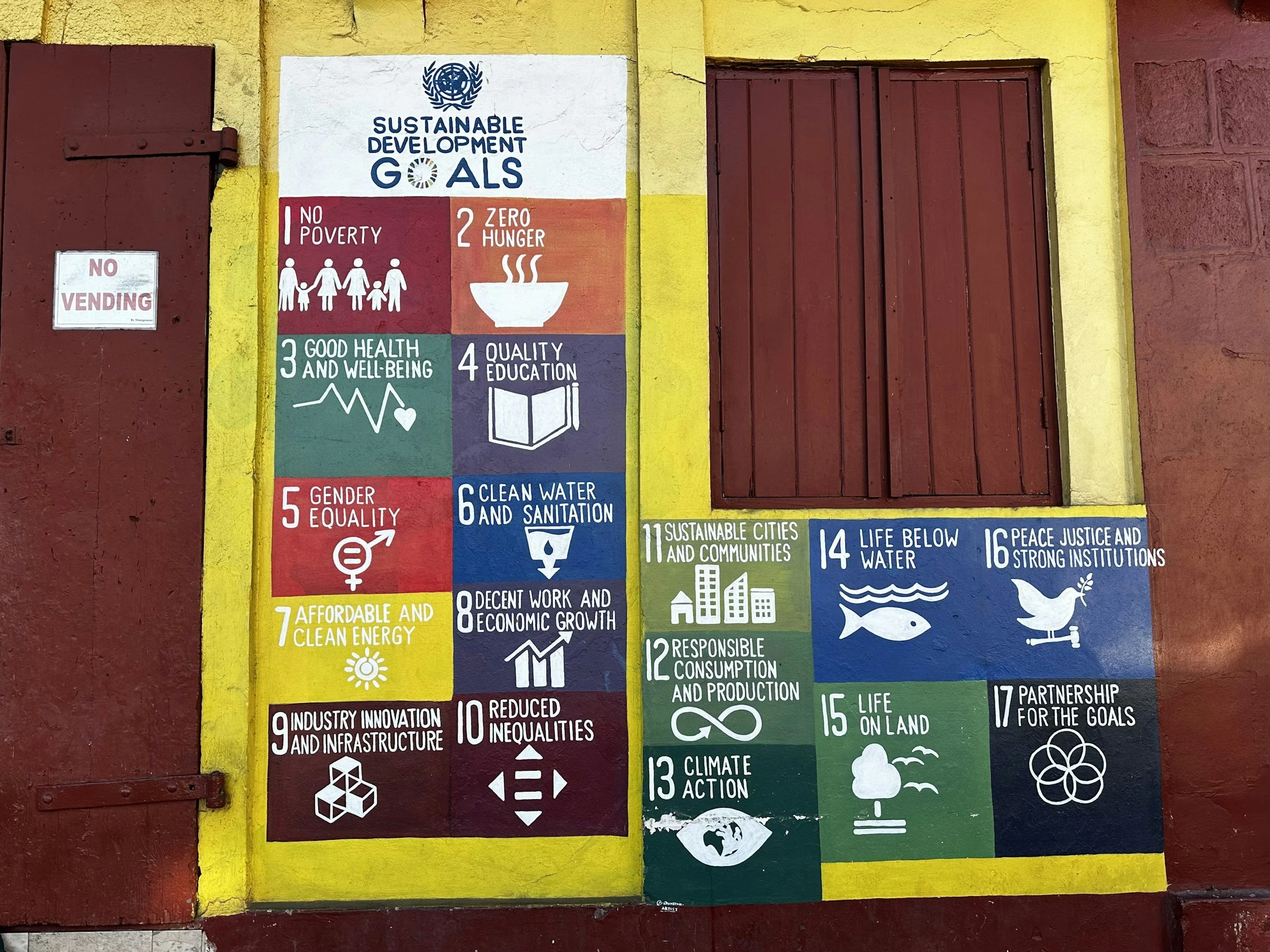
The United Nations Sustainable Development Goals (SDGs) established a shared framework for addressing humanity's greatest challenges, including poverty, hunger, health, education, inequality, climate change, economic opportunity and environmental sustainability.
Together, the 17 goals represent a blueprint for creating a more just, prosperous and sustainable future.
The challenge was never the vision.
The challenge was execution.
Achieving the Sustainable Development Goals is estimated to require tens of trillions of dollars in investment over the coming decades. Governments, foundations, corporations, NGOs and international institutions have committed significant resources to advancing the goals. Yet one critical question remained largely unanswered::
If everything is important, where do we begin?
While the SDGs define what the world hopes to achieve, they provide little guidance regarding sequencing, prioritization or implementation. Leaders around the globe were attempting to address interconnected challenges without a shared understanding of which investments might create the greatest downstream impact across the system.
Recognizing this gap, GREEN::HOUSE partnered with the Organization for Economic Co-operation and Development (OECD) and New America to undertake a first-of-its-kind exploration of the goals as an interconnected system.
Rather than treating the SDGs as seventeen separate objectives, the project examined how progress in one area influences outcomes across others.
Drawing upon the expertise of economists, political scientists, social scientists and systems thinkers from universities, foundations, think tanks, public institutions and civil society organizations around the world, the initiative sought to answer a deceptively simple question::
What if the Sustainable Development Goals were approached in a strategic sequence rather than as a collection of independent priorities?
The result was the world's first systematic sequencing of the SDGs.
The work revealed critical relationships among the goals, highlighting opportunities where progress in one domain could accelerate progress across multiple others. By identifying potential leverage points within the system, the project offered policymakers, funders and institutional leaders a new way to think about maximizing impact, allocating resources and accelerating global progress.
More than a ranking exercise, the initiative represented a shift in perspective—from viewing global development as a collection of separate challenges to understanding it as a dynamic, interconnected system.
The sequencing provided leaders with a practical framework for navigating complexity, helping them identify where investments, interventions and partnerships might generate the greatest multiplier effects across the broader development ecosystem.
For GREEN::HOUSE, the project reflected a core belief that underpins all of our work:
Complex challenges are rarely solved by doing more.
They are solved by understanding systems more clearly.
By helping leaders see the relationships between seemingly separate problems, we create opportunities to design smarter strategies, deploy resources more effectively and achieve outcomes that would otherwise remain out of reach.
The Sustainable Development Goals gave the world a destination.
This work helped illuminate a possible path forward. ::
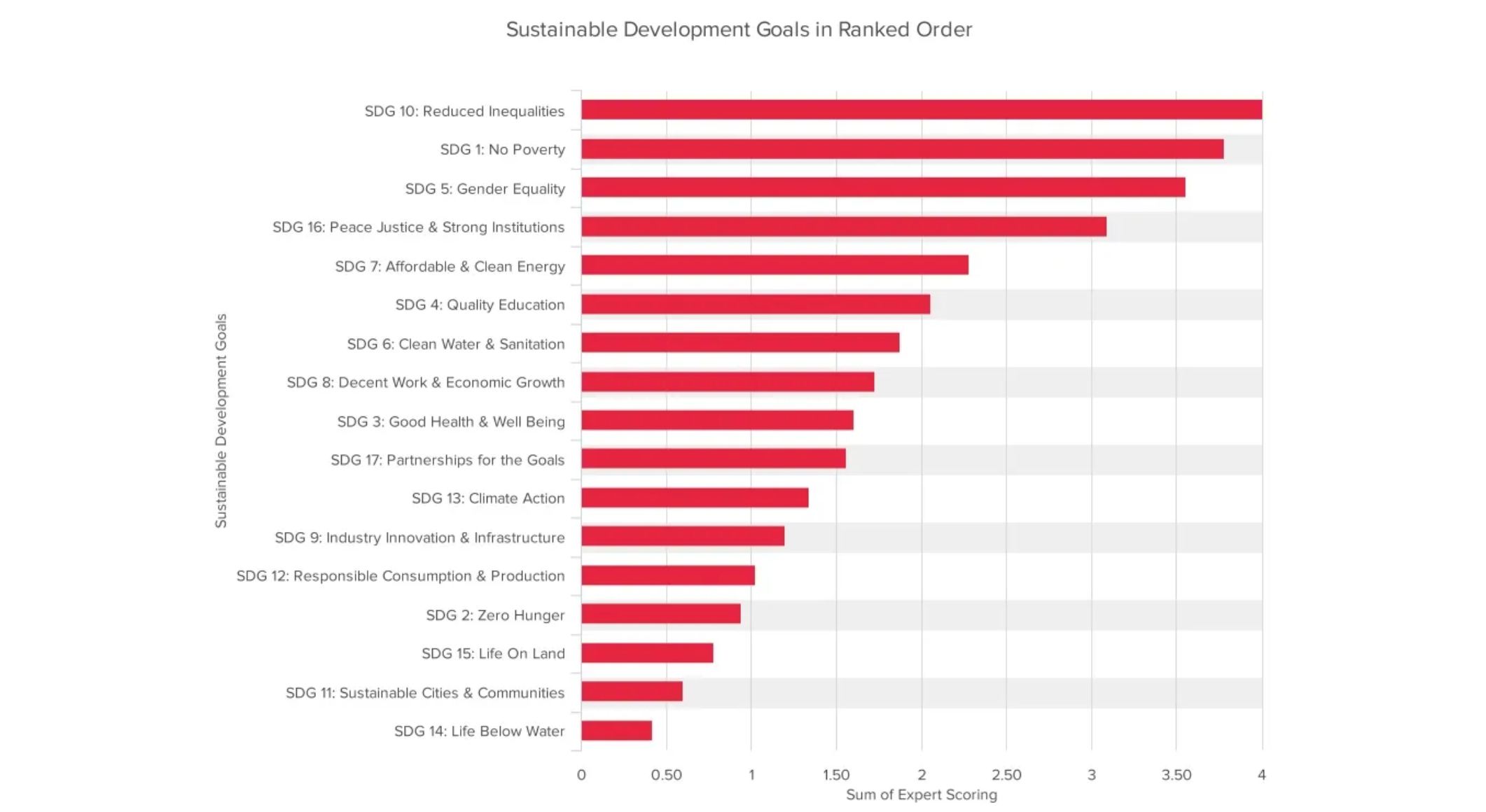
The sequencing provided leaders with a practical framework for navigating complexity, helping them identify where investments, interventions and partnerships might generate the greatest multiplier effects across the broader development ecosystem.
For G::HOUSE, the project reflected a core belief that underpins all of our work:: Complex challenges are rarely solved by doing more. They are solved by understanding systems more clearly.
For further reading about our work in sustainability, see Emerald Cities Collaborative.