Tennis, Wellness + Human Connection
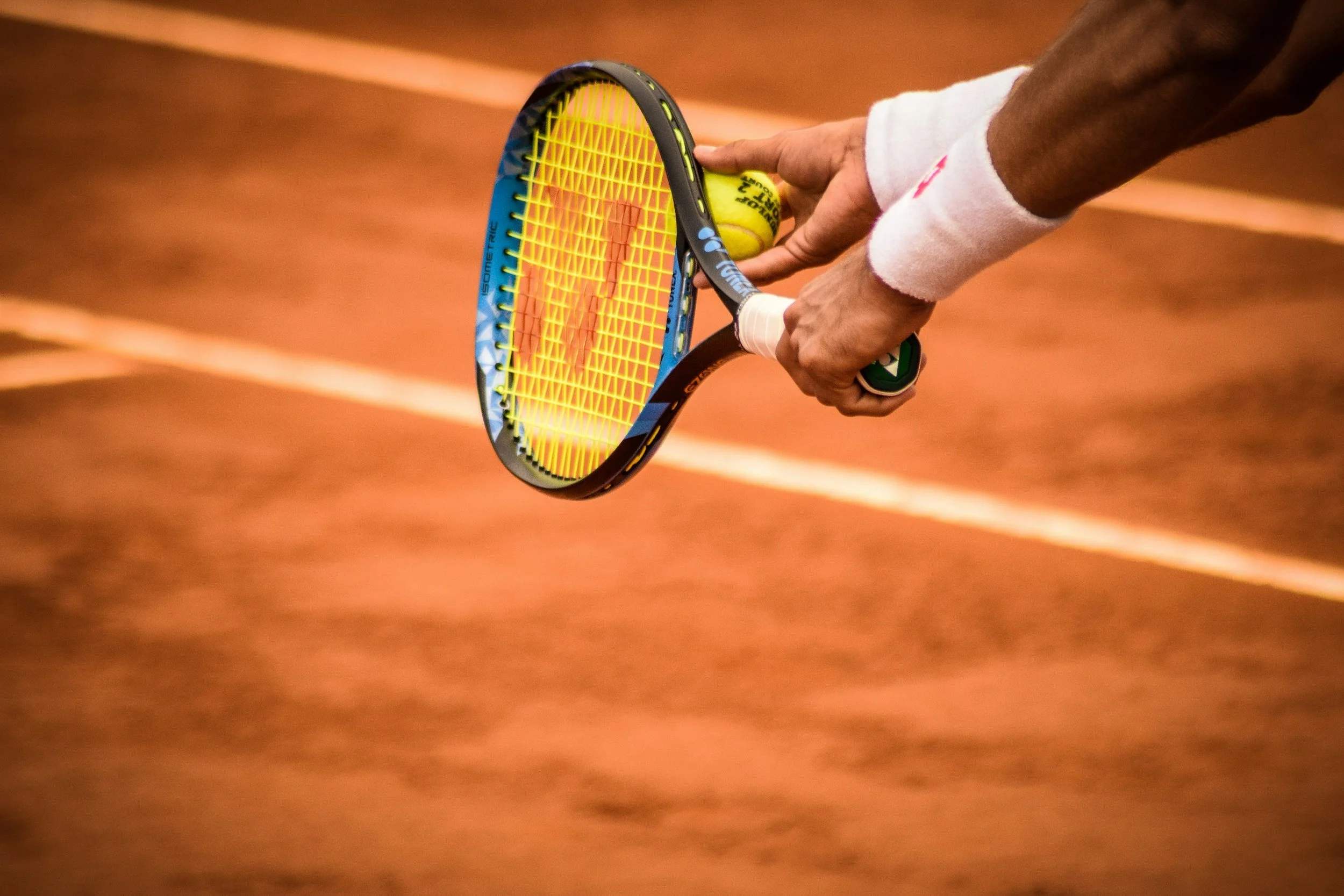
During COVID-19, one sport experienced an unexpected renaissance:: tennis.
At a time when many traditional forms of recreation were curtailed, tennis offered something rare. It could be played outdoors or indoors. It naturally accommodated physical distancing. It provided both exercise and social interaction. And perhaps most importantly, it gave people a reason to reconnect—with their bodies, with one another and with the simple joy of play.
Americans responded in record numbers.
According to the Physical Activity Council, more than 21 million Americans played tennis in 2020, representing a 22.4 percent increase after years of relatively stagnant participation. What began as a practical response to the realities of a global pandemic quickly evolved into something larger: a renewed appreciation for movement, fitness, community and lifelong wellness.
For GREEN::HOUSE, the trend reflected a broader shift we were observing through our work with organizations across industries. People were reevaluating their relationship with health. They were seeking experiences that combined physical wellbeing, social connection and personal growth. The future of wellness would not be defined by fitness alone, but by the environments, communities and habits that support healthier lives.
These insights were informed by our collaboration with Greentarget and LAB/Amsterdam on Immediate Frontier: Work, Wellness + Space, an exploration of how the pandemic was reshaping the ways people live, work and interact. One theme emerged consistently: wellness was becoming a central organizing principle for how people make decisions about their time, their relationships and their environments.
Recognizing an opportunity to apply these insights in a tangible way, GREEN::HOUSE partnered with DelCorpo Bespoke Fitness and Avanza Sports Barcelona to develop a new tennis and fitness pilot program designed to make the game—and the foundational principles of health and wellness—more accessible to a wider audience.
The concept extended beyond traditional tennis instruction. Instead, it sought to create a more holistic pathway into the sport by integrating movement training, strength development, injury prevention and recovery strategies into a unified experience. Participants would not only learn how to play tennis; they would learn how to move better, perform better and sustain an active lifestyle over the long term.
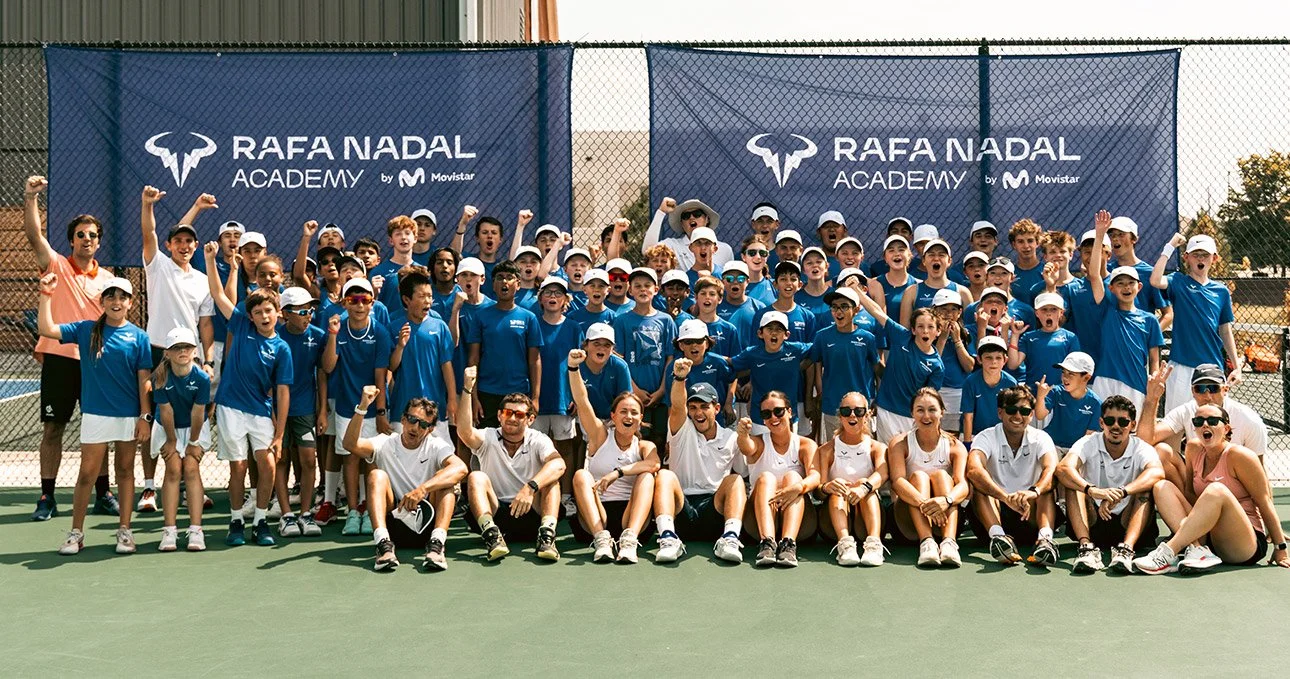
The initiative also created a natural on-ramp and off-ramp to Rafa Nadal Camps USA, helping junior and adult players build the physical foundation and confidence necessary to maximize their experience before attending camp and continue their development long after it concluded.
“This is an opportunity for juniors and adults to learn how to optimize their fitness and reduce the chances of injury, whether they’re participating in Rafa Nadal Camps USA or simply looking for more ways to maintain their fitness and good health at any age,” says Cheryl Delio, founder of DelCorpo Bespoke Fitness. “We know that staying active is one of the most important investments people can make in their long-term health and wellbeing.”
While the pandemic may have accelerated interest in tennis, the larger lesson endures. People are looking for meaningful ways to stay healthy, connected and engaged. By bringing together expertise in fitness, sport and human-centered design, GREEN::HOUSE and its partners created a model that demonstrates how wellness can be more accessible, more social and more sustainable—on and off the court. ::
For related reading, see Bespoke Sport + Physio, Alfred P. Sloan Foundation, University of Southern California, and Immediate Frontier:: Work, Wellness, + Space.
“We know that staying active is one of the most important investments people can make in their long-term health and wellbeing. Tennis makes that investment possible—safely and soundly.”
Cheryl Delio, Founder, DelCorpo Bespoke Fitness