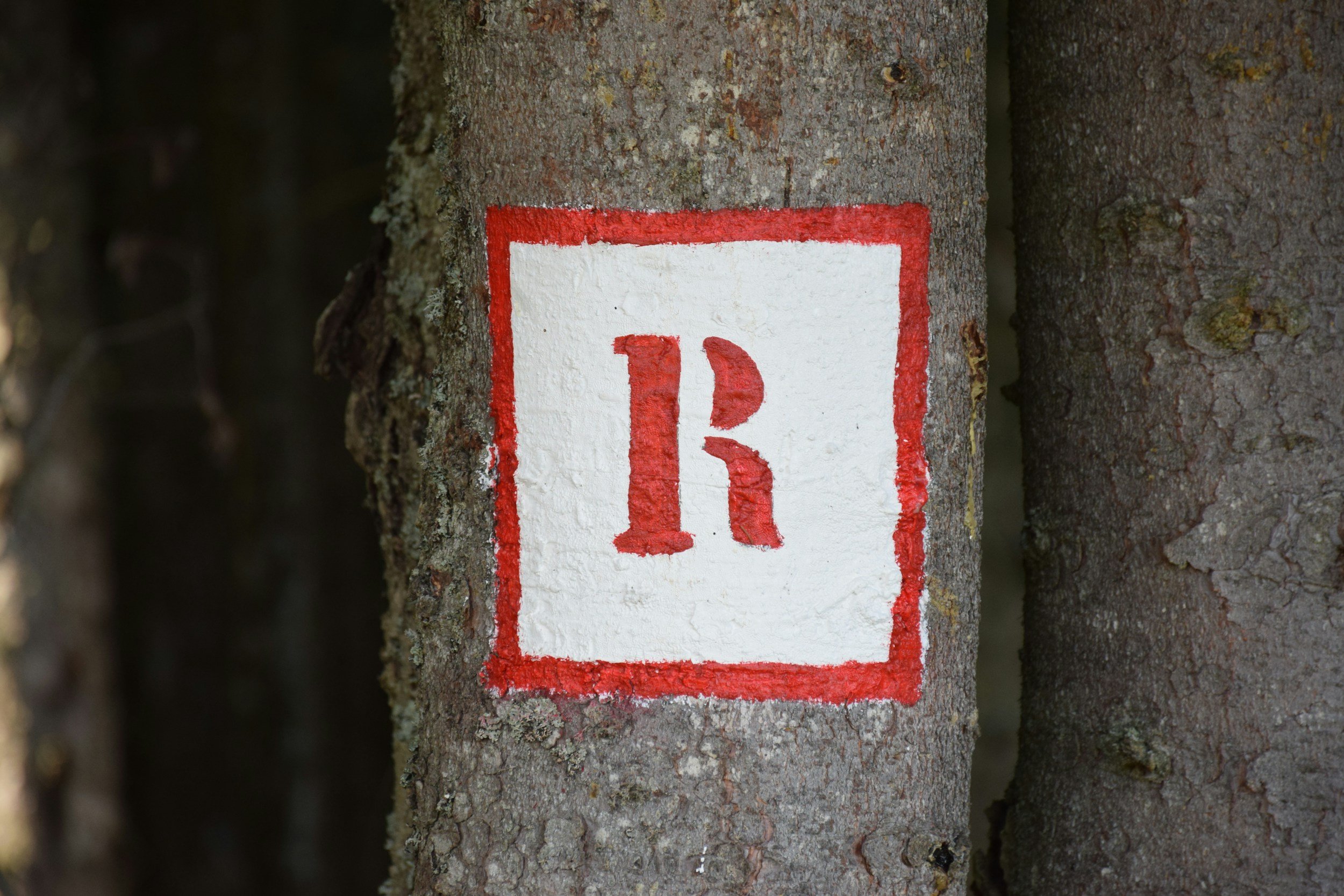
Ashoka:: The Fourth R
For decades, education reform has focused on what children need to know.
Reading.
Writing.
Mathematics.
Science.
Technology.
Yet as society becomes more interconnected, more complex and more polarized, another question has become increasingly important::
How do we help children understand one another?
Empathy—the ability to recognize, understand and respond to the experiences of others—is widely recognized as one of the most important human capacities. It strengthens relationships, supports collaboration, reduces conflict and helps young people become engaged citizens and effective leaders.
Few organizations have done more to champion its importance than Ashoka, the global network dedicated to identifying and supporting social innovators and changemakers around the world.
As Ashoka sought to expand empathy education in schools, however, it encountered a familiar challenge.
Teachers believed empathy mattered.
Schools believed empathy mattered.
But educators were already overwhelmed.
Curricula were crowded. Testing requirements were increasing. New initiatives competed constantly for attention and time.
The question was not whether empathy belonged in schools.
The question was how it could realistically take root.
Working with Ashoka, GREEN::HOUSE explored the social norms shaping educational environments and the barriers preventing broader adoption of empathy-building practices.
What emerged was a surprising insight.
Most efforts were treating empathy as another subject to teach.
Teachers were treating relationships as part of their everyday work.
The breakthrough came when we stopped asking how empathy could fit into the curriculum and started asking how empathy already existed within the classroom.
Across schools, teachers were constantly helping students navigate friendships, disagreements, misunderstandings, collaboration and social development. They were already cultivating empathy—just not always describing it that way.
Rather than creating a new academic requirement, we proposed strengthening and supporting the relational work teachers were already doing.
As architect, collaborator, and film producer Nina Rappaport observed::
"We just need a fourth R. Reading, 'riting, 'rithmetic and relationships."
That simple idea reframed the challenge.
Relationships were not an extracurricular concern.
They were foundational to learning itself.
The insight helped inform Ashoka's development of the Start Empathy toolkit, which provided educators, parents and communities with practical ways to foster empathy and changemaking skills through everyday interactions.
The toolkit emphasized that empathy is not the product of a single lesson or classroom exercise.
It is built through countless moments of intentional engagement.
As Ashoka's Lennon Flowers explained::
"Cultivating empathy and building up changemaking skills in children and the adults modeling their behavior isn't the result of a single exercise. We do have an extraordinary set of concrete exercises that help you start today. But in the end, it's not about that. It's about being intentional in every conversation you have with every child, as well as your peers and administrators."
The project anticipated many of the challenges educators face today.
In an age shaped by social media, artificial intelligence, declining social connection and increasing mental health concerns among young people, the ability to build healthy relationships has become more important than ever.
Academic success remains essential.
But so does the capacity to listen, collaborate, understand differences and engage constructively with others.
The work also informed GREEN::HOUSE's subsequent collaborations with the Dalai Lama Center for Peace + Education and other organizations focused on social-emotional learning, mindfulness and human development.
For GREEN::HOUSE, the project reinforced a central belief::
Many of society's most important skills are not taught through instruction alone.
They are learned through experience.
And few experiences shape us more profoundly than our relationships with one another.
Because the future will belong not only to those who can think critically.
It will belong to those who can connect humanely. ::
For related reading, see The Dalai Lama Center for Peace and Education